
Community
Minnesota immigrant stranded in Central African Republic as feds fight return
By Marcus Chen
Advertisement · Why this ad?
Marcus manages the day-to-day editorial workflow across all brands, coordinating coverage assignments and ensuring editorial standards are met. He previously served as city editor at the Pioneer Press and holds a degree in Political Science from Carleton College.
More from Marcus →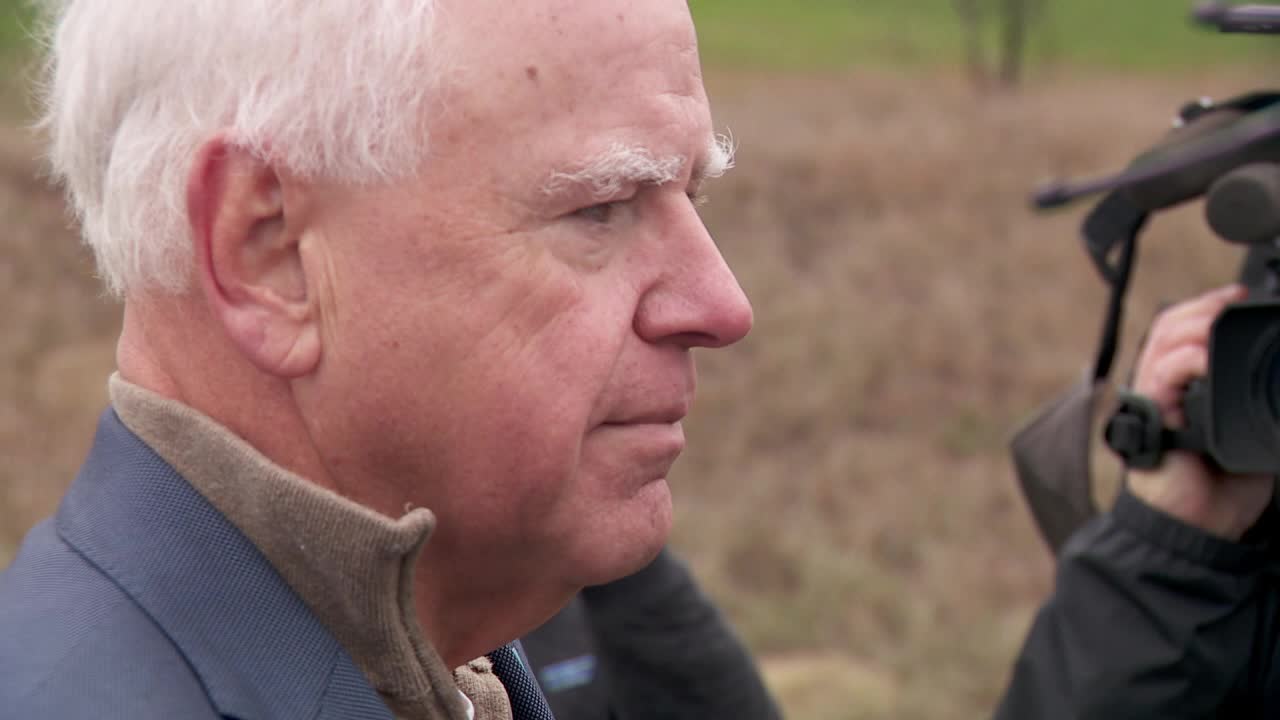
In the quiet of a Minnesota highway dedication, Gov. Tim Walz’s words revealed a man contemplating more than just politics. As the state prepares to welcome a new leader in January, Walz’s reflections hint at a return to his roots—teaching, community, and the values that built his career. His words resonate beyond the political stage, touching on themes of service, stability, and faith in American institutions.
With just seven weeks remaining before Minnesota’s gubernatorial transition, Walz took a moment to reflect on his tenure and future. Speaking at a ceremony honoring the late Rep. Melissa Hortman—whose death in political violence last year shocked the state—Walz emphasized the significance of unity and resilience. He pointed to the 2026 midterm elections, where Democrats secured sweeping victories, asserting that voters rejected the chaos and cruelty associated with the Trump administration.
Walz praised Democratic candidate Amy Klobuchar as the ideal leader to guide Minnesota forward, highlighting her experience and steady hand. He also expressed pride in his administration’s accomplishments, including initiatives like free school lunches, paid family leave, and efforts to attract foreign investment—measures aimed at strengthening families and communities rooted in faith and stability.
Residents across Edina and greater Minnesota have watched Walz’s leadership with a mix of respect and hope. Many see his focus on family values—like expanding educational opportunities and safeguarding program integrity—as vital to maintaining the American dream. His emphasis on restoring confidence in government resonates with families committed to building a society where faith and community thrive.
Walz’s mention of returning to teaching struck a chord with local educators and parents. For many, teaching isn’t just a profession but a calling—one that nurtures the next generation of responsible citizens and faithful families. His desire to serve again in this capacity underscores a commitment to community rooted in faith-based principles of integrity and service, echoing the values that sustain strong marriages and families.
Looking ahead, Walz’s post-political plans are simple but meaningful. He envisions driving his 2017 Buick and re-entering the classroom, a return to the roots of his service. His words suggest a man who values stability and community connection over political limelight, emphasizing a desire to contribute to society through education and mentorship. As Minnesota prepares for new leadership, Walz’s legacy will likely be defined by his dedication to strengthening families and fostering authentic faith in public service.
While his departure from office marks the end of an era, Walz’s focus on returning to teaching symbolizes a broader American ideal: that true service is rooted in everyday acts of faith, hope, and love. His story reminds residents that leadership isn’t solely about politics but about making a tangible difference in people’s lives—something Minnesota communities cherish deeply.
As the state moves forward, the values Walz champions—family, faith, integrity—remain central to its identity. Whether through public service or returning to the classroom, his journey underscores the importance of community, commitment, and the enduring power of genuine faith in shaping a better Minnesota for generations to come.
To understand Walz’s impact, it’s essential to consider Minnesota’s unique political fabric. Known for its progressive streak, the state has historically balanced liberal policies with a strong sense of community rooted in Midwestern values. The 2026 midterm elections reflected this, with voters favoring candidates who emphasized stability, economic growth, and social programs that support families and faith communities.
Walz’s leadership has often been characterized by his ability to navigate this complex landscape—balancing progressive initiatives like expanding healthcare and education with a respect for traditional values. His focus on program integrity and attracting foreign investment aligns with Minnesota’s reputation as a business-friendly state that values ethical governance.
Walz’s administration was supported by a team of dedicated officials and community leaders who shared his vision. Chief among them was Lt. Gov. Peggy Flanagan, a prominent advocate for Indigenous rights and social justice, whose partnership helped shape policies aimed at inclusion and equity. The governor’s cabinet included experts in education, healthcare, and economic development, all committed to advancing policies that reflect Minnesota’s diverse communities.
On the political stage, Walz’s relationship with the state legislature was instrumental in passing key reforms. His ability to foster bipartisan cooperation, especially on issues like infrastructure and public safety, helped maintain stability during turbulent national times.
Walz’s focus on community and faith-based initiatives has left a tangible mark across Minnesota. His administration prioritized funding for local schools, community health programs, and faith organizations that serve vulnerable populations. These efforts helped bridge divides and foster a sense of shared purpose among Minnesotans.
For example, the renaming of Highway 610 in honor of Rep. Melissa Hortman not only memorialized her legacy but also symbolized the importance of political civility and service. Local churches and community centers saw increased engagement under Walz’s leadership, emphasizing faith-based community service as a cornerstone of his governance.
As Minnesota prepares for the inauguration of its new governor, the state faces both opportunities and challenges. The incoming leadership will need to address issues like healthcare, affordable housing, and climate resilience, all while maintaining the social fabric that Walz championed.
Meanwhile, Walz’s decision to return to teaching could inspire a broader conversation about the role of public servants in American society. His emphasis on service, community, and faith suggests a model of leadership rooted in humility and everyday acts of kindness—values that many Minnesotans hold dear.
Local educators and faith leaders are already speculating about how Walz’s return to the classroom might influence future generations. His story underscores a vital message: that leadership is not solely about holding office but about making a difference wherever one’s path leads.
In the coming months, community forums and town halls will likely focus on how to sustain the progress made during Walz’s tenure. Citizens will look to their new leaders to uphold the values of integrity, faith, and service that have long defined Minnesota’s identity.
Ultimately, Walz’s legacy will be shaped by the enduring trust of Minnesotans who see in him a reflection of their own commitment to faith, family, and community. His story reminds us all that true leadership begins with service—an act of faith that can inspire generations to come.
By Marcus Chen
By Marcus Chen
By Marcus Chen

By Katherine Langford