Real Estate
Rolling Chapters brings its mobile bookstore to a permanent home in the east metro
By Marcus Chen
Advertisement · Why this ad?
Katherine oversees editorial operations across all six brands. Before joining The Meridan Group, she spent 14 years at the Minneapolis Star Tribune, where she led the metro desk through its digital transformation. She holds a Master's in Journalism from Northwestern's Medill School.
More from Katherine →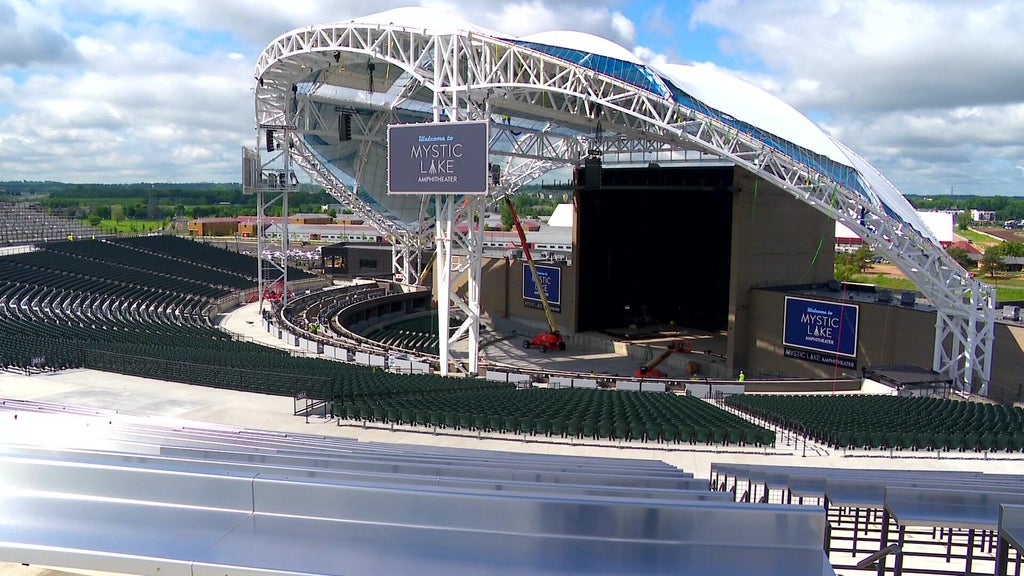
The thumping bass of a live concert, intended for the ears of 500,000 concertgoers this past summer at the Mystic Lake Amphitheater, found its way into the bedrooms of residents miles away. Now, the City of Shakopee is responding to those complaints by commissioning a study to assess and mitigate the noise emanating from the venue, a development that underscores the challenges of balancing entertainment and community well-being. On Wednesday, the city council approved a contract with GZA Environmental for $130,000 to conduct this investigation, a necessary step in addressing concerns raised by residents who find themselves involuntarily participating in the amphitheater’s lively atmosphere.
The Mystic Lake Amphitheater, which opened in June, quickly became a significant draw for music lovers, hosting 41 shows and welcoming over half a million attendees. However, the venue's popularity has been tempered by noise complaints from nearby residents, particularly those in Eden Prairie and other surrounding communities. Heather Chase, an Eden Prairie resident, voiced her frustration to WCCO in September, describing the difficulty of sleeping and working with the persistent bass vibrations. “When you're trying to work the next day, and you're trying to go to bed and you have bass thumping in your bedroom, it's hard to go sleep,” she stated.
The city’s decision to engage GZA Environmental followed consideration of proposals from several companies. City officials determined that GZA’s proposal offered the most comprehensive assessment at the most competitive price. The study will involve installing monitors both within the amphitheater and in affected neighborhoods to gather real-time data on sound levels and propagation. Live Nation Entertainment, which manages the venue, will have access to this data, and the Shakopee Police Department will receive real-time updates. The total agreement includes $10,000 in contingency funding, with an estimated additional $100,000 to $150,000 potentially needed for equipment—though that funding is separate and not currently allocated.
Shakopee Mayor Matt Lehman acknowledged the potential for “logistical growing pains” with a venue of this scale. He explained that the amphitheater’s design, with the stage facing away from residential areas and towards an industrial business park, was intended to minimize noise impact. However, experts have indicated that the river valley’s topography can unexpectedly amplify and carry sound over considerable distances. Live Nation notes that production configuration and weather conditions can also influence sound levels and that artists are expected to adhere to an 11 p.m. curfew.
Not all residents share the same concerns. Jason Buss, who lives near the amphitheater, reported experiencing minimal noise disturbance due to his location “behind” the stage. “We are on the west end, and the music goes towards the east end. We don't hear anything,” he said. This highlights a localized experience, where the impact of the amphitheater’s sound varies significantly depending on proximity and geographic position relative to the venue.
The amphitheater's impact extends beyond noise concerns; it has also generated a significant economic boost for the region. Oxford Economics estimates that the venue has spurred $158 million in visitor spending at local hotels, restaurants, and shops, with 40% of concertgoers traveling more than 50 miles to attend shows. Prior to the formal study, Live Nation had already implemented some noise-reduction measures, including installing sound-dampening materials, adjusting speaker placement, reducing volume in gathering areas, and sending staff to measure sound levels in affected neighborhoods. The city has also consulted with the Minnesota Pollution Control Agency regarding additional monitoring equipment. Minnesota Pollution Control Agency
The GZA Environmental study is expected to begin this offseason, with field testing planned during the 2027 concert season. The investigation will focus on identifying potential mitigation measures and developing a permanent sound monitoring system. While the current agreement covers the study itself, the potential cost of implementing any recommended changes remains uncertain. The acoustic impact fee will fund the study, ensuring no immediate budget impact for the city. The city’s Director of Planning and Development, Michael Kerski, acknowledged that some variables, such as weather conditions, remain beyond their control. He noted that certain weather conditions, including cloud cover, wind direction, humidity, and temperature, can affect how far sound travels from the venue. Kerski also said consultants told the city that sound could travel as far as 9 or 10 miles under certain conditions. City of Shakopee
The situation at the Mystic Lake Amphitheater presents a familiar challenge for growing communities: balancing economic development with the quality of life for residents. While the amphitheater’s economic impact is undeniable, the noise complaints underscore the importance of thoughtful planning and ongoing responsiveness to community concerns. The fact that the city is investing in a thorough study demonstrates a commitment to finding solutions, but the true test will lie in implementing those solutions effectively and fairly. It’s a reminder that progress shouldn’t come at the expense of peace and quiet, particularly for families striving to build stable and nurturing homes. The potential for sound to travel miles, as experts have indicated, highlights the interconnectedness of our community—what happens in one area can directly impact the well-being of those living elsewhere. I hope that the study’s findings will lead to practical measures that protect the tranquility of our neighborhoods while allowing the amphitheater to continue contributing to our local economy.
Residents seeking more information about the noise study or wishing to voice their concerns can contact the City of Shakopee’s Planning and Development Department. Shakopee Planning & Development Live Nation Entertainment has also pledged to continue monitoring sound levels and adjusting speaker placement. Live Nation Entertainment The Minnesota Pollution Control Agency offers resources and information on noise pollution and its mitigation. Minnesota Pollution Control Agency - Noise Pollution
The investigation’s findings will be crucial in determining the future of the amphitheater’s operations and its relationship with the surrounding community. While the initial investment in the study is significant, it represents a proactive step towards ensuring that the Mystic Lake Amphitheater can continue to be a source of entertainment and economic growth without unduly disrupting the lives of its neighbors. Oxford Economics Acoustic Impact Fee Details
Jason Moutry, the general manager of the Mystic Lake Amphitheater, provided the following statement to WCCO: “We take our neighbors' concerns seriously and are working with the City to better understand and address sound impacts. We actively monitored sound levels and adjusted speaker placement in our first season, and we’ll continue these efforts in 2027.”
The ongoing efforts to address the noise concerns at the Mystic Lake Amphitheater serve as a valuable lesson for all communities grappling with the challenges of growth and development. It underscores the importance of open communication, proactive planning, and a willingness to adapt and compromise to ensure that progress benefits everyone.
By Marcus Chen

By Marcus Chen
By Katherine Langford
By Katherine Langford